If you’ve ever walked through a school hallway, hospital, or supermarket, you’ve almost certainly stepped on Vinyl Composition Tile, or VCT. For decades, it has been a go-to choice for high-traffic commercial spaces due to its durability and low initial cost. But what exactly is VCT flooring, and is it still the right choice in a world of modern alternatives? This guide will help you understand exactly what VCT flooring is, where it’s used, its pros and cons, and how it compares to options like LVT.
What is VCT (Vinyl Composition Tile) Flooring?
At its core, VCT is a durable flooring material made from a composite of natural limestone, fillers, thermoplastic binders, and color pigments. It is manufactured into thin, uniform tiles that are glued to a subfloor.
The primary component is pulverized limestone, which gives the tile its rigidity and strength, while the vinyl binders hold it all together. This composition makes VCT incredibly tough and resistant to heavy loads, but it also results in a porous surface that requires regular maintenance.
Key Characteristics of VCT Flooring
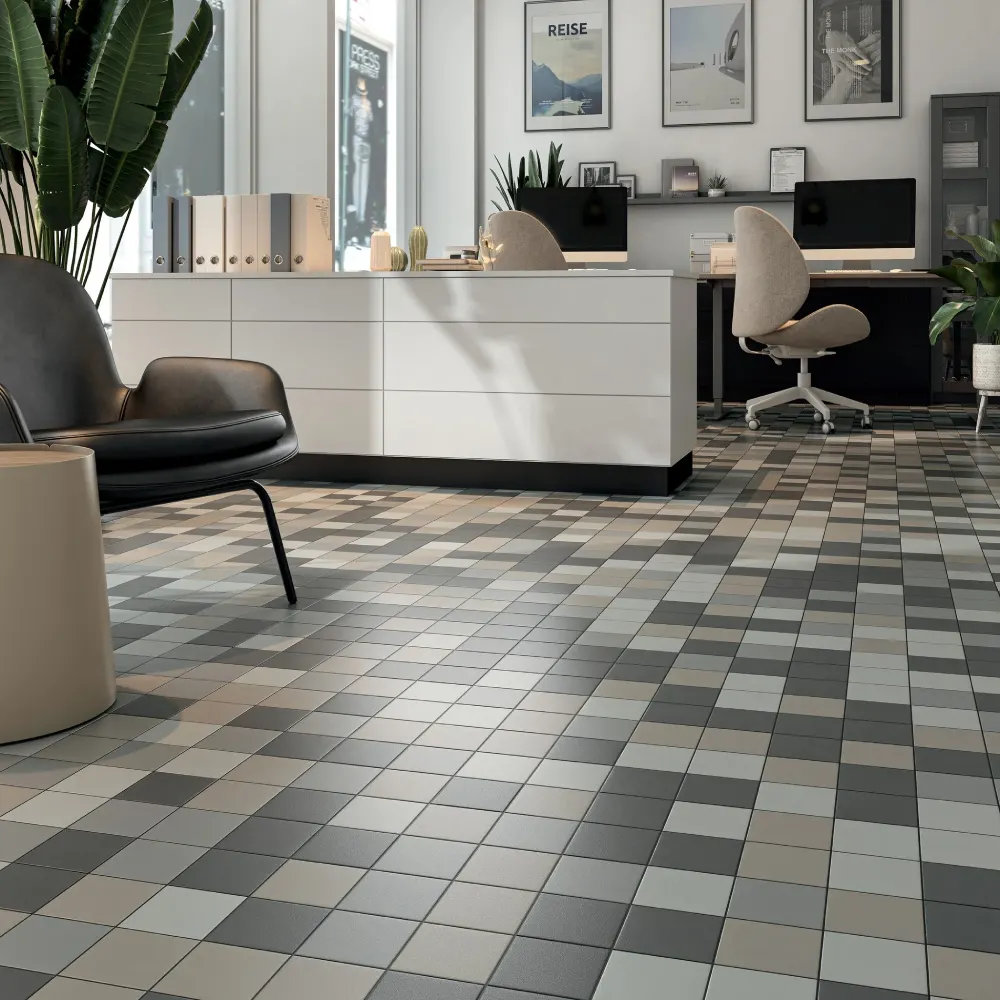
- Format: VCT typically comes in thin square tiles, most commonly 12×12 inches (about 30×30 cm), but other sizes are available.
- Cost: One of its biggest selling points is its low initial purchase and installation cost, making it a popular choice for projects with tight budgets.
- Appearance: It is available in a wide range of solid and flecked colors, allowing for simple patterns like checkerboards or solid fields of color.
- Maintenance: To protect its porous surface from stains and wear, VCT requires a protective coating of floor polish or wax, which must be periodically stripped and reapplied.
Where Is VCT Flooring Typically Used?
VCT is almost exclusively used in commercial and institutional settings where durability and budget are the primary concerns. You will commonly find it in:
- Schools and university hallways and classrooms
- Hospitals, clinics, and healthcare facilities
- Supermarkets, grocery stores, and large retail spaces
- Office breakrooms, cafeterias, and utility areas
The Pros and Cons of VCT Flooring
While VCT is an affordable and time-tested material, it comes with significant trade-offs. Understanding its distinct advantages and disadvantages is key to determining if it’s the right choice for your space.
Advantages of VCT
- Highly Affordable: The upfront cost of VCT is one of the lowest in the commercial flooring market, both for the material and installation.
- Extremely Durable: Its limestone-based composition makes it highly resistant to heavy foot traffic, rolling loads, and general wear and tear.
- Resilient: VCT stands up well against scuffs, chips, and heavy static loads, making it ideal for busy environments.
- Easy to Repair: If a tile gets damaged, it can be easily removed and replaced with a new one without disrupting the entire floor.
Disadvantages of VCT
- Intensive Maintenance: This is VCT’s biggest drawback. It requires frequent stripping, waxing, and buffing to maintain its appearance and protective seal, which is a significant long-term cost.
- Porous Surface: Without a proper wax seal, the porous surface is highly susceptible to stains from spills and dirt.
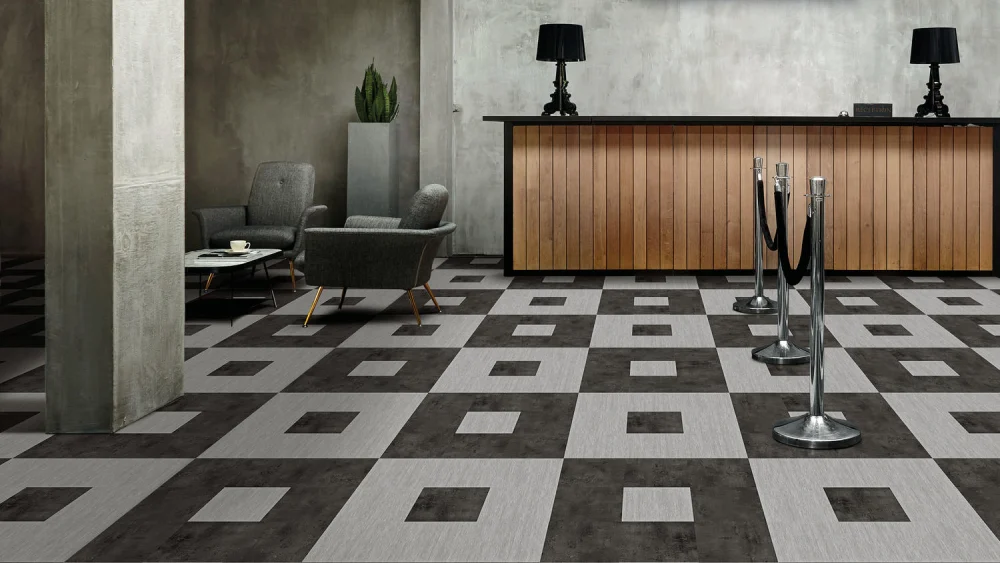
- Limited Design Options: Compared to modern vinyl like LVT, VCT offers a very limited aesthetic range, mostly consisting of solid colors or simple flecked patterns.
- Institutional Appearance: The look of VCT is strongly associated with commercial or institutional settings, which may not be suitable for spaces aiming for a modern or luxurious feel.

VCT vs. LVT and SPC: A Modern Flooring Comparison
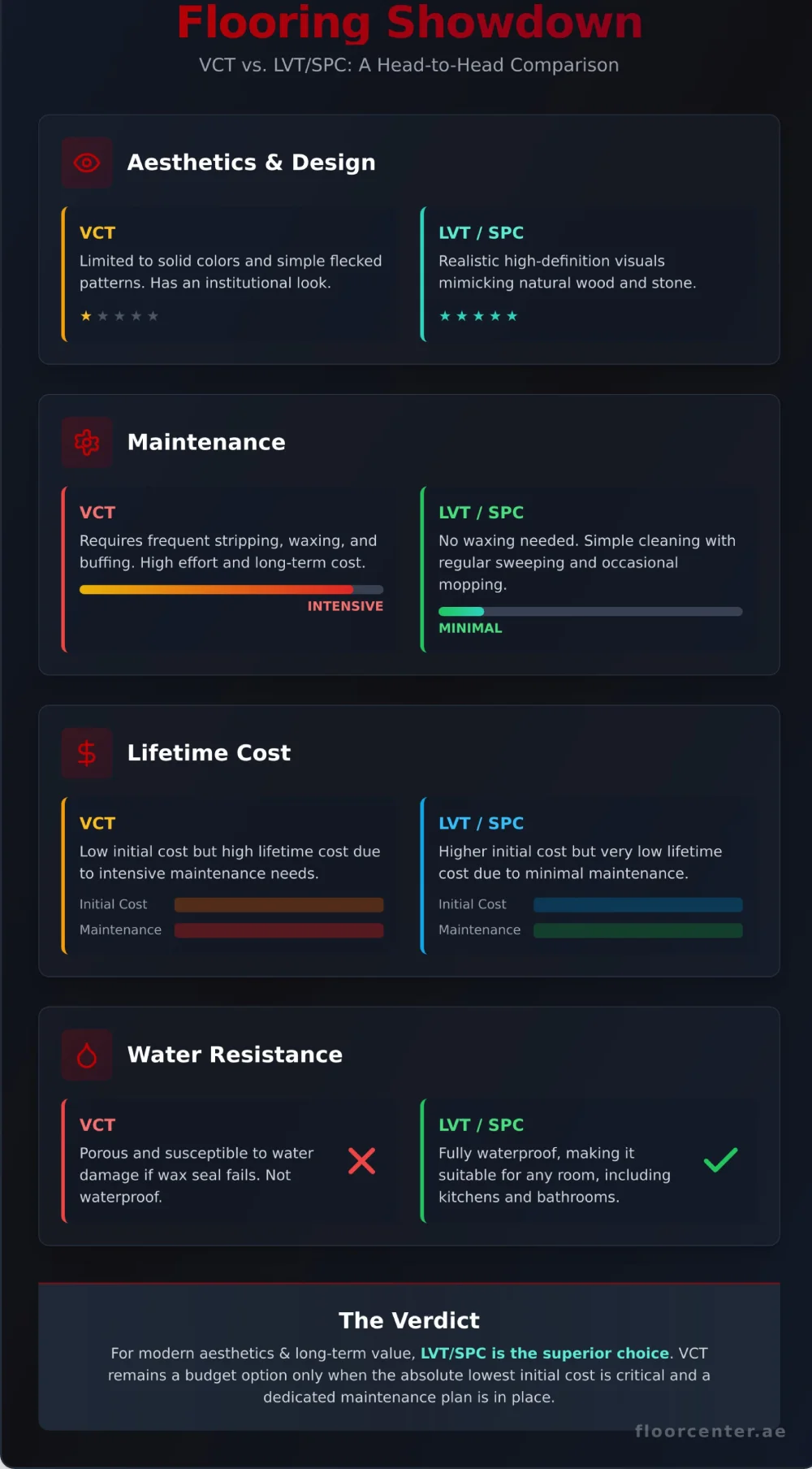
Flooring technology has evolved significantly, and modern options like Luxury Vinyl Tile (LVT) and Stone Plastic Composite flooring now offer superior performance and aesthetics for most applications. While VCT was once the standard, LVT and SPC provide better long-term value in almost every category.
Feature VCT (Vinyl Composition Tile) LVT / SPC (Luxury Vinyl) Aesthetics Limited to solid colors and simple flecked patterns. Realistic high-definition wood and stone visuals. Maintenance Requires regular stripping, waxing, and polishing. High long-term cost. No waxing needed. Simple cleaning with sweeping and mopping. Lifetime Cost Low upfront cost, but high lifetime cost due to maintenance. Higher upfront cost, but lower lifetime cost due to minimal maintenance. Water Resistance Porous and susceptible to water damage if wax seal fails. Fully waterproof, suitable for kitchens, bathrooms, and basements. Which Should You Choose for Your Dubai Project?
For modern offices, high-end retail spaces, hospitality venues, and residential projects in Dubai, LVT or SPC is undoubtedly the superior choice. These products offer the luxurious appearance of natural materials like wood and stone with the durability and minimal upkeep required for a busy environment. VCT remains a viable option only for projects where the absolute lowest initial cost is the most critical factor, and a dedicated maintenance budget is available. Unsure? Get a free flooring consultation from our experts.
Choosing the right flooring dubai is a critical decision for any project. While VCT has served commercial spaces well for decades, its limitations in design and high maintenance costs have made it less favorable compared to advanced solutions. For a floor that combines high performance, stunning aesthetics, and long-term value, modern vinyl flooring is the clear winner. Explore our premium LVT flooring and SPC flooring solutions.